Rastafol Display Font for Handmade Brands
As a maker who hand-paints candle labels, designs wedding invitations, and cuts vinyl for boutique tags, I know how much a single font can shape how customers *feel* about your product before they even touch it. That’s why Rastafol has become my go-to display font for projects where elegance needs to be both eye-catching *and* commercially reliable.
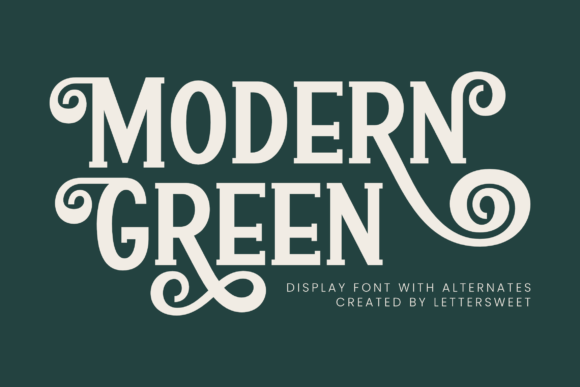
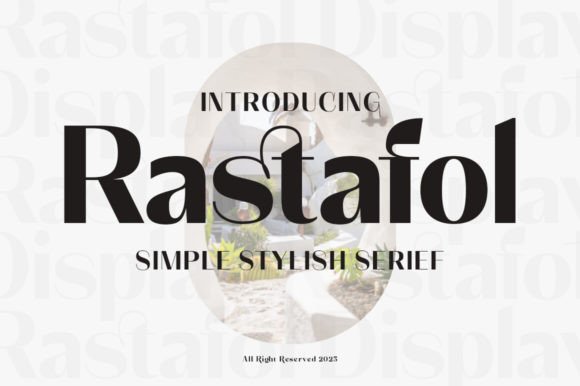
Rastafol is a refined, high-contrast display typeface with graceful curves, subtle serifs, and an unmistakable air of quiet sophistication. It’s not fussy or overly ornate—instead, it balances structure and softness in a way that reads as timeless, not trendy. What sets Rastafol apart isn’t just its beauty, but its thoughtful craftsmanship: built-in ligatures, alternate characters, and contextual bindings that flow naturally when you type full words—not just isolated letters. That means “The Wildflower Co.” on a kraft paper tag doesn’t look like individual glyphs slapped together; it breathes as one cohesive phrase.
I use Rastafol most often for short-form, high-impact applications: product names on apothecary jars, shop signage cut from birch plywood, foil-stamped greeting cards, and digital printables like wedding welcome boards or planner covers. Its generous x-height and open counters keep it legible even at 24pt on a 3x5” sticker—or scaled down to 18pt for delicate tea box labels. For Cricut and Silhouette users, I’ve found Rastafol cuts cleanly at sizes above 16pt without needing manual node adjustments, especially when using the OTF version (which includes full OpenType features).
Think about real moments where Rastafol shines: a lavender-scented candle labeled “Moonrise” in soft matte black ink on ivory linen paper; a farmhouse-style wooden sign reading “Gather Here” above a coffee bar; a set of printable baby shower invitations where “Welcome Little One” feels warm and intentional—not generic. Even seasonal packaging gains emotional resonance: try “Hand-Poured • Small Batch • Made With Love” across a holiday soap bundle. The ligatures subtly connect “Hand-Poured” and “Small Batch,” reinforcing care and craft in the typography itself.
Rastafol isn’t meant for body text—and that’s a strength, not a limitation. It’s designed to command attention in titles, headings, logos, and decorative phrases. When used thoughtfully, it elevates perceived quality instantly. Customers don’t just see “soap”—they see *artisan soap*. They don’t read “wedding invite”—they feel *celebration*, *intimacy*, *intention*. That emotional shorthand matters deeply when you’re selling handmade goods online, where first impressions happen in under three seconds.
For pairing, I lean into contrast. Rastafol’s expressive nature pairs beautifully with a clean, neutral sans serif—think Montserrat, Poppins, or Lato—for ingredient lists, care instructions, or website body copy. If you’re designing a full invitation suite, try Rastafol for the couple’s names and event title, then switch to a light serif like Cormorant Garamond or a friendly handwritten font (with moderate slant and consistent spacing) for details like time, location, and RSVP info. Avoid pairing it with other high-contrast scripts or busy display fonts—that creates visual competition instead of harmony.
Practically speaking, Rastafol delivers real production value. The included alternates let me customize “A”, “R”, and “F” for logo lockups—so my shop name never looks repetitive across social banners, hang tags, and business cards. Swashes are subtle but effective on SVG files for layered vinyl decals (I use them sparingly on initial letters for wall art prints). And because it supports extended Latin characters, I’ve safely used it for bilingual wedding stationery and small-batch skincare labels with French or Spanish notes—no unexpected glyph substitutions in mockups or final prints.
File-wise, Rastafol comes in OTF format, which preserves all OpenType features in design apps like Adobe Illustrator, Affinity Designer, and Cricut Design Space (when uploaded as custom fonts). I always install the OTF—not TTF—so ligatures activate automatically as I type. No need to hunt through glyph panels unless I want a specific alternate. Bonus: it loads quickly in Canva, and works reliably in Procreate when imported via Files app (great for quick sticker mockups).
One thing I always double-check before listing a new printable or physical product: the commercial license. Rastafol is licensed for unlimited physical product use—including printed labels, mugs, tote bags, t-shirts, and stickers—as well as digital downloads like Canva templates, SVG bundles, and editable PDF planners. You can embed it in client work (like custom wedding suites), and even sell it as part of a branded template pack—no extra fees or attribution required. Just keep a copy of your license handy for peace of mind.
If you’re choosing a display font to represent your brand long-term—not just for one seasonal launch—Rastafol earns its place by being both distinctive and dependable. It doesn’t shout. It invites. It makes “handmade” feel elevated, not exclusive. Whether you’re laser-cutting a welcome sign for your cottage rental, designing a Shopify banner for your herbal tea line, or prepping Etsy listings for botanical greeting cards, Rastafol gives your words weight, warmth, and quiet confidence.
It’s the kind of font that doesn’t ask to be noticed—it simply *is* noticed. And in a crowded marketplace of handmade goods, that kind of quiet distinction is everything.